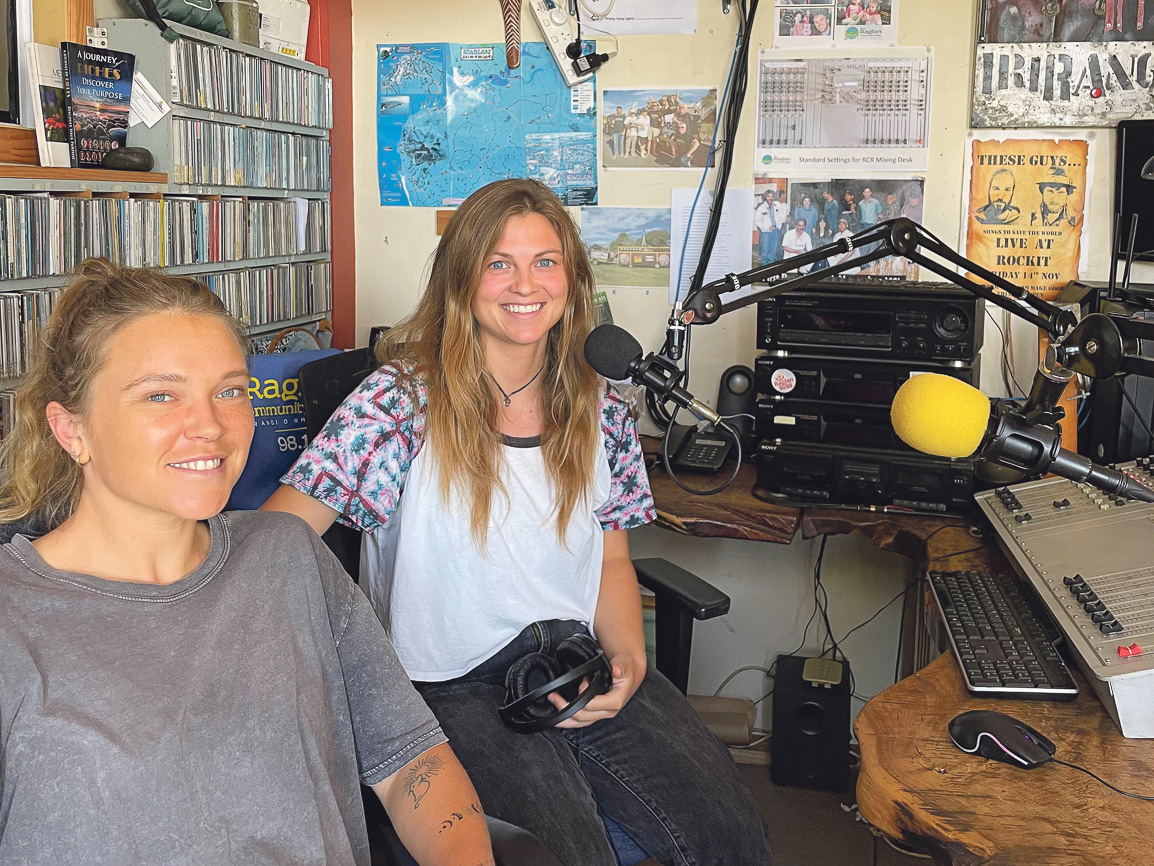
What if women have been training the wrong way all along? I recently invited Esther Keown onto my Raglan Community Radio show How to Make It Work, a podcast exploring how people build lives and livelihoods that truly fit them.
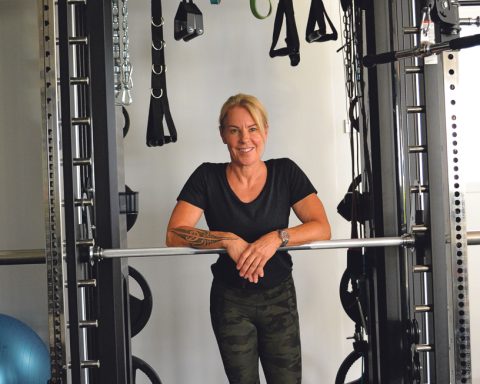
Esther is the co-founder of Femmi, a platform designing training specifically for women and their physiology. After growing up as an elite athlete in systems built for men, Esther set out to rethink training for women through science, and cycle-based coaching. In our conversation, we also talk about her recent ovarian cancer advocacy, and why understanding and listening to our bodies is more important than ever.
You grew up as an elite athlete. What was that journey like?
I loved running when I was young. I felt free. I ran barefoot and just enjoyed it. But when I was about 13, I started taking it really seriously. I was training up to 80–100km a week at 14 or 15. I was put under pressure to lose weight and look a certain way. I ended up under-fuelling, lost my menstrual cycle, and developed stress fractures. I didn’t understand then how important a cycle is for bone health and overall health. Eventually, I quit running at 18 and took five years off.
What changed when you came back to running?
When I came back, I did it differently. I fuelled properly. I listened to my body. And I actually performed better. I won national titles again and represented New Zealand. But this time without breaking my body. That contrast of my personal experiences is really what led to Femmi.
For people who don’t know Femmi, what is it?
Femmi started in 2020 as one-on-one run coaching for women. We talk about cycles, contraception, postpartum stages, just all the life stages that affect women’s training. Now we also have an app. You can track your cycle or tell us if you’re on contraception or postpartum, to align your training with your hormones. We also have medical experts, including endocrinologists, and physiologists answering community questions inside the app.
And we run Femmi Friday communities, which are safe spaces where women meet, run together, and talk about things they wouldn’t talk about elsewhere. We now have 21 communities across New Zealand, Australia, and the UK.
Why is aligning training with female physiology so important?
Women aren’t built like men. We need more body fat. We’re not meant to be as lean as men. Our hormones impact recovery, energy, performance. There’s this short-game mentality of lose weight, train harder, get quick results. But the long game is different. Fuel properly. Train consistently. Keep your cycle. Stay healthy.
I’ve seen so many women run personal bests while keeping a regular cycle and fuelling properly. One athlete I coach went from a 42-minute 10k to a 39-minute 10k, and she’s healthier than ever.
You also recently completed a 42-minute-a-day movement challenge for ovarian cancer awareness. What inspired that?
Last July, I was diagnosed with ovarian cancer. I’d gone for an ultrasound because of abdominal pain. It was staged at 1A. I was incredibly lucky it was caught early.
The five-year survival rate in New Zealand is about 42%. That means more than half of women diagnosed with ovarian cancer won’t be alive in five years. It’s the deadliest gynaecological cancer, but also the lowest funded.
There’s a huge lack of awareness. Many women think a cervical smear tests for ovarian cancer but it doesn’t. Around 60–70% of women are diagnosed in emergency departments, often at stage 3 or 4.
So in February, I committed to moving 42 minutes every day and raised $7,000 for the Ovarian Cancer Foundation NZ. The more awareness we create, the earlier it can be caught.
What’s next for you?
I’m taking things a bit slower. I started working part-time at Raglan Roast. It’s been really nice to take some pressure off after six intense years building a startup and going through health challenges.
What is your one message for young female athletes and women overall?
Look after your body. You’re going to be in it for your whole life. And if you can, see your menstrual cycle as something powerful. It’s a vital sign of health. Be proud of it.
Catch the full interview on Raglan Community Radio’s How to Make It Work, Mondays at 12:30 pm, or listen anytime via the station’s website, Spotify, or Apple Podcasts.
With Annika Stricker